
How to Select a Biodegradable Plastic Granules Making Machine: A Practical Guide for Manufacturers
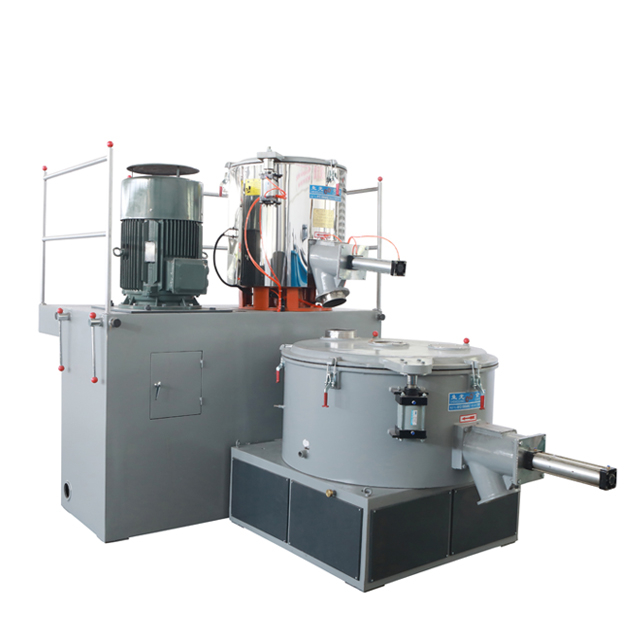
The shift from conventional plastics to biodegradable materials is no longer a niche trend. Brand owners, converters, and regulators are all pushing for sustainable packaging and products. For manufacturers, that pressure often translates into a very concrete question:
Which biodegradable plastic granules making machine should the plant invest in—and how to choose it with confidence?
This article walks through the technical and commercial considerations behind selecting a biodegradable plastic granules making machine (also called a biopolymer compounding and pelletizing line). It is written for plant managers, process engineers, and operations leaders who need both an engineering-level understanding and a business justification.
We’ll focus on:
● What a biodegradable granules line actually includes
● Typical biopolymers and their processing sensitivities
● The full process flow from feeding to pelletizing
● Clear, actionable selection criteria
● Integration, quality, and total cost of ownership (TCO)
1. What Is a Biodegradable Plastic Granules Making Machine?
A biodegradable plastic granules making machine is not a single piece of equipment but a complete process line designed to convert powdered or flaked raw materials and additives into uniform, free-flowing granules suitable for downstream processing (film blowing, thermoforming, injection molding, etc.).
A typical line includes:
1 Feeding and Dosing System
○ Main feeders for base biopolymer (PLA, PBAT, starch, etc.)
○ Side feeders for fillers, plasticizers, chain extenders, color masterbatches
○ Gravimetric controls for accurate ratio management
2 Extrusion and Compounding Unit
○ Single-screw or, more commonly, twin-screw extruder
○ Barrel sections with controlled temperature zones
○ Screw elements designed for conveying, melting, mixing, degassing
3 Degassing / Venting
○ One or more venting ports to remove moisture and volatiles
○ Optional vacuum system for sensitive formulations
4 Filtration System
○ Melt filters or screen changers to remove gels, contaminants, or agglomerates
5 Pelletizing System
○ Strand pelletizer, water-ring pelletizer, or underwater pelletizer
○ Cooling and drying systems for stable, non-blocking pellets
6 Downstream Handling
○ Vibrating screens and classifiers
○ Storage silos or bagging stations
○ Metal detectors and quality control points
The performance and flexibility of the entire setup determine how well the line can handle different biodegradable formulations, maintain quality, and deliver consistent output.
2. Understanding Biodegradable Polymers and Their Processing Needs
Biodegradable plastics are not a single material. Each family behaves differently in the extruder and pelletizer. When choosing a biodegradable plastic granules making machine, the first step is to understand which polymers are in scope.
2.1 Common Biodegradable Polymer Types
● PLA (Polylactic Acid)
○ Bio-based and compostable
○ Sensitive to hydrolysis (water-induced degradation) at high temperatures
○ Requires tight moisture control and moderate processing temperatures
● PBAT (Polybutylene Adipate Terephthalate)
○ Fossil-based but biodegradable
○ Flexible; often blended with PLA or starch
○ Needs good mixing to achieve homogeneous blends and mechanical properties
● PBS, PBSA (Polybutylene Succinate and variants)
○ Similar to PBAT in flexibility and toughness
○ Used in films and molded products
○ Temperature and residence time must be controlled to avoid degradation
● PHA (Polyhydroxyalkanoates)
○ Fully bio-based and biodegradable
○ Typically more thermally sensitive
○ Demands low-shear and carefully controlled processing profiles
● Starch-Based Blends
○ Tend to absorb moisture easily
○ Require precise drying and temperature control to avoid foaming or bubbles
○ Often filled with plasticizers and compatibilizers
2.2 Why Material Matters for Machine Selection
Each material family has implications for line design:
● Temperature range and control accuracy
● Shear sensitivity and screw configuration
● Moisture management (pre-drying, venting, vacuum)
● Corrosion or abrasion depending on additives and fillers
If the plant plans to run a wide range of biodegradable formulations, the machine must be designed for flexibility rather than narrowly optimized for one polymer.
3. Typical Process Flow: From Powder to Granules
To evaluate a biodegradable plastic granules making machine, it helps to map the full process step-by-step.
Material Preparation
○ Drying of hygroscopic polymers (PLA, starch blends, etc.)
○ Inspection and removal of foreign particles
○ Pre-mixing of powders if necessary
Feeding
○ Gravimetric feeders deliver precise mass flow of each component
○ Stable feeding is essential to control melt index, mechanical properties, and color
Melting and Compounding
○ In the twin-screw (or single-screw) extruder, materials are:
■ Conveyed
■ Melted
■ Dispersively and distributively mixed
○ Additives (chain extenders, nucleating agents, plasticizers) are incorporated
Degassing / Venting
○ Moisture and volatiles are removed through venting zones
○ For sensitive materials, vacuum venting is used
Melt Filtration
○ Melt passes through filter screens to remove contaminants
○ Filters protect downstream equipment and improve product quality
Pelletizing
○ Melt is converted into strands or directly cut pellets (water-ring or underwater systems)
○ Cooling water or air stabilizes the pellets
Drying and Classification
○ Water is removed from pellets
○ Oversized or undersized particles are separated
Storage and Packaging
○ Granules are conveyed to silos or packaged in bags
○ QC samples are taken for MFI, moisture, mechanical tests, etc.
Each of these steps can become a bottleneck, so selection criteria should cover the entire line, not only the extruder.
4. Key Selection Criteria for a Biodegradable Plastic Granules Making Machine
This section is the core of the decision process. It outlines specific, practical criteria to compare different machine options—without focusing on brands.
4.1 Capacity and Scalability
Start with a clear view of the required and potential future output:
● Nominal throughput (kg/h or t/h) for current products
● Reserve capacity for new grades or future demand (often 20–30% buffer)
● Ability to run at part load without severe efficiency or quality penalties
Consider:
● Can the line be upgraded later (e.g., longer screw, additional feeders, larger motor)?
● Is there modularity to add new pelletizing systems or downstream units?
4.2 Extruder Type and Screw Design
For most biodegradable plastics, co-rotating twin-screw extruders are preferred because they:
● Provide excellent mixing for multi-component formulations
● Allow flexible configuration of conveying, kneading, and mixing elements
● Handle solid-state additives and fillers efficiently
Key technical points:
● Screw diameter and L/D ratio
○ Longer L/D ratios (e.g., 36–48) allow more controlled melting and mixing
● Torque and motor power
○ Sufficient torque avoids overload at high viscosity or filler levels
● Modular barrel sections
○ Enables optimization of different zones (feeding, melting, mixing, degassing, pressure build-up)
For simpler formulations and lower flexibility needs, a robust single-screw extruder can still be adequate, but it offers less versatility for complex biodegradable blends.
4.3 Feeding and Dosing Accuracy
Biodegradable formulations are often additive-rich, and performance is highly sensitive to composition. Look closely at:
● Gravimetric feeding systems
○ Accuracy typically within ±0.5–1%
○ Suitable for powders, pellets, flakes, and liquids
● Number of feeders and positions
○ Main feeders for base polymer
○ Side feeders for fillers and heat-sensitive additives downstream of high-shear zones
Poor feeding accuracy leads directly to inconsistent quality, off-spec batches, and customer complaints.
4.4 Moisture Management and Degassing
Many biodegradable polymers hydrolyze or degrade in the presence of moisture. Effective moisture control is critical:
● Upstream drying
○ Dehumidifying dryers or vacuum dryers for hygroscopic materials
● Venting zones
○ At least one atmospheric vent for trapped air and volatiles
● Vacuum venting
○ Essential for sensitive polymers and high moisture content
○ Reduces bubbles, gels, and molecular weight loss
When assessing a biodegradable plastic granules making machine, review:
● Number and position of venting ports
● Vacuum capability (pump performance, condensate handling)
● Vent design to prevent material carry-over
4.5 Temperature Control and Thermal Stability
Biodegradable polymers can have narrow processing windows:
● Too low: poor melting and mixing
● Too high: degradation, discoloration, loss of mechanical properties
Check:
● Number of temperature zones and sensors along the barrel and die
● Heating method (electric heaters, oil, etc.)
● Cooling capability (air, water, oil) to manage exothermic mixing
● Temperature control accuracy and response time
Stable temperature control is essential for consistent melt flow index, color, and odor.
4.6 Melt Filtration and Contamination Control
Biodegradable compounds may contain residual contaminants from bio-based feedstocks or recycled components. The filtration system should:
● Offer sufficient filtration area to handle target throughput
● Provide automatic or semi-automatic screen changing to reduce downtime
● Handle pressure buildup and avoid melt leakage
For high-purity applications (e.g., food-contact packaging), more advanced filtration solutions with finer mesh and automatic back-flushing may be justified.
4.7 Pelletizing Technology: Strand, Water-Ring, or Underwater
Different pellets and applications may call for different pelletizing methods:
● Strand Pelletizing
○ Melt extruded as strands, cooled in water bath, then cut
○ Simpler, lower cost, easier to maintain
○ Suitable for many biodegradable formulations
● Water-Ring Pelletizing
○ Die-face cutting in a water ring; pellets are formed and cooled immediately
○ Good for higher throughput and more uniform pellet shape
○ Compact system layout
● Underwater Pelletizing
○ Pellets cut underwater at the die face
○ Excellent thermal control; ideal for sticky or highly sensitive materials
○ More complex and higher CAPEX, but excellent pellet quality
Selection factors:
● Target throughput and product range
● Desired pellet size and shape
● Stickiness and softening behavior of the biopolymer
● Available utilities and operator skills
4.8 Automation, Control System, and Data
Modern biodegradable plastic granules making machines should integrate smoothly into a smart factory environment.
Look for:
● Intuitive HMI (Human-Machine Interface) with clear process visualizations
● Recipe management for different formulations
● Trending and logging of key parameters (temperatures, pressures, torque, throughput, energy consumption)
● Remote diagnostics capability, if allowed by plant IT policies
Integration with MES/ERP or other plant systems enables:
● Traceability of batches
● OEE (Overall Equipment Effectiveness) monitoring
● Energy and material efficiency analysis
4.9 Energy Efficiency and Environmental Impact
Biodegradable products are chosen for sustainability; production lines themselves should reflect that:
● High-efficiency motors and drives
● Optimized heater insulation to reduce heat losses
● Smart control strategies to avoid unnecessary power peaks
● Option to recover and reuse process heat where feasible
Lower energy consumption reduces operating cost and supports corporate sustainability metrics.
4.10 Build Quality, Wear and Corrosion Resistance
Some biodegradable compounds include abrasive fillers (e.g., mineral fillers, cellulose fibers) or additives that can cause corrosion.
Assess:
● Screw and barrel material and surface treatments (e.g., nitriding, bimetallic liners)
● Wear-resistant and corrosion-resistant options in critical sections
● Robustness of mechanical components under high torque and pressure
Investing in appropriate wear and corrosion protection significantly extends service life and maintains throughput over time.
4.11 Hygiene, Cleanability, and Grade Change
If a plant runs multiple biodegradable formulations or switches between biodegradable and conventional plastics, cleanability becomes important:
● Easy access to barrel sections and die for cleaning
● Smooth surfaces and minimal dead zones to avoid material hang-up
● Procedures and design features to reduce grade-change time and contamination risk
Faster changeovers mean more productive hours and lower scrap rates.
4.12 Safety and Regulatory Compliance
Finally, any biodegradable plastic granules making machine must comply with relevant local and international regulations:
● Mechanical safety (guards, interlocks, emergency stops)
● Electrical safety and EMC compliance
● Dust and vapor management, where applicable
● Noise control
For food-contact or compostable packaging markets, the line and materials may also need to support compliance with food-contact standards and compostability certifications (through proper material handling and contamination control).
5. Integrating the Line into an Existing Plant
Even the best machine will underperform if integration is poor. A few key areas to consider:
5.1 Upstream Logistics
● Storage silos or big-bag stations for polymers and fillers
● Material conveying systems (pneumatic, mechanical)
● Drying and pre-conditioning equipment
Poor upstream design leads to feeding fluctuations, dust issues, and operator safety risks.
5.2 Utilities and Infrastructure
Confirm early:
● Electrical supply capacity and stability
● Cooling water availability and quality
● Compressed air requirements
● Space and foundation for the line, including safe operator access
Utility constraints often influence the choice between pelletizing technologies and extruder size.
5.3 Downstream Handling and Packaging
Pellets must reach customers in consistent, clean condition:
● Conveying systems with minimal degradation or dust generation
● Bulk loading (silos, tankers) or bagging (small bags, FIBCs)
● Inline metal detection or contamination monitoring
An integrated view of upstream and downstream systems ensures the biodegradable plastic granules making machine delivers full value, not just local performance.
6. Evaluating Total Cost of Ownership (TCO)
Focusing only on purchase price is a classic mistake. Biodegradable plants are often built with long planning horizons, so total cost of ownership is a better decision metric.
6.1 CAPEX vs OPEX
Consider:
● Initial investment in the complete line (not only the extruder)
● Installation, commissioning, and training costs
● Running costs:
○ Energy
○ Labor
○ Consumables (filters, screens, knives)
○ Maintenance and spare parts
6.2 Yield, Scrap, and Quality Costs
Higher-quality machines often pay back through better yield and quality stability:
● Fewer off-spec batches
● Reduced customer complaints and returns
● Improved line uptime and fewer unexpected shutdowns
For biodegradable materials, where formulations are often still evolving, process stability is particularly valuable.
6.3 Flexibility and Future-Proofing
Regulations, customer requirements, and materials will continue to change. When evaluating a biodegradable plastic granules making machine, ask:
● Can the line handle new biopolymer grades likely to appear?
● Is there room for hardware upgrades (different pelletizer, improved venting, extra feeders)?
● Does the control system support software updates and integration with future digital tools?
A slightly higher initial investment can avoid premature obsolescence or costly retrofits later.
7. Practical Checklist for Decision-Makers
To translate all of the above into action, here is a concise checklist to guide specification and comparison:
Product and Market Definition
● Target biodegradable polymers (PLA, PBAT, starch blends, etc.)
● Range of formulations and additives
● Target markets: films, molded items, fibers, etc.
● Required certifications or regulatory constraints
Technical Performance
● Required throughput today and in 3–5 years
● Extruder type, diameter, L/D, torque, and power
● Number and type of feeders (gravimetric, liquid, side feeders)
● Drying, venting, and vacuum requirements
● Temperature control zones and accuracy
● Melt filtration level and screen-changing capabilities
● Pelletizing method (strand, water-ring, underwater) and pellet specs
Quality and Flexibility
● Ability to run multiple grades with minimal changeover time
● Process stability (monitoring of temperature, pressure, torque)
● Data logging, recipe management, and traceability features
Operational Aspects
● Energy consumption and sustainability metrics
● Ease of cleaning and maintenance access
● Availability of spare parts and technical support
● Training and documentation for operators and maintenance teams
Economics and Risk
● Total cost of ownership over 5–10 years
● Impact on yield, scrap, and customer satisfaction
● Upgrade pathways and adaptability to future market needs
Conclusion
Selecting a biodegradable plastic granules making machine is both a technical and strategic decision. It touches everything from material science and process engineering to sustainability goals and long-term business planning.
By understanding:
● The behavior of different biodegradable polymers
● The complete process chain from feeding to pelletizing
● The key selection criteria for extrusion, dosing, venting, pelletizing, and automation
● The real drivers of total cost of ownership
manufacturers can make informed, future-proof investments.
Instead of chasing the lowest price or the latest buzzword, focus on a machine that delivers consistent quality, flexibility, energy efficiency, and reliable support. That’s the foundation for a competitive biodegradable plastics business in a market that will only grow more demanding in the years ahead.
mai:zhuo.li@zextrusion.com
factory address: No.135 Shiba Road, Taowu Industrial Park, Jiangning District, Nanjing
office address: Room 1408, Block C4, Vanke Duhui World, No. 31, Lvdu Avenue, Jiangning District, Nanjing