
How to Choose an Underwater Cutting Pellets Making Machine: A Practical Buyer’s Guide
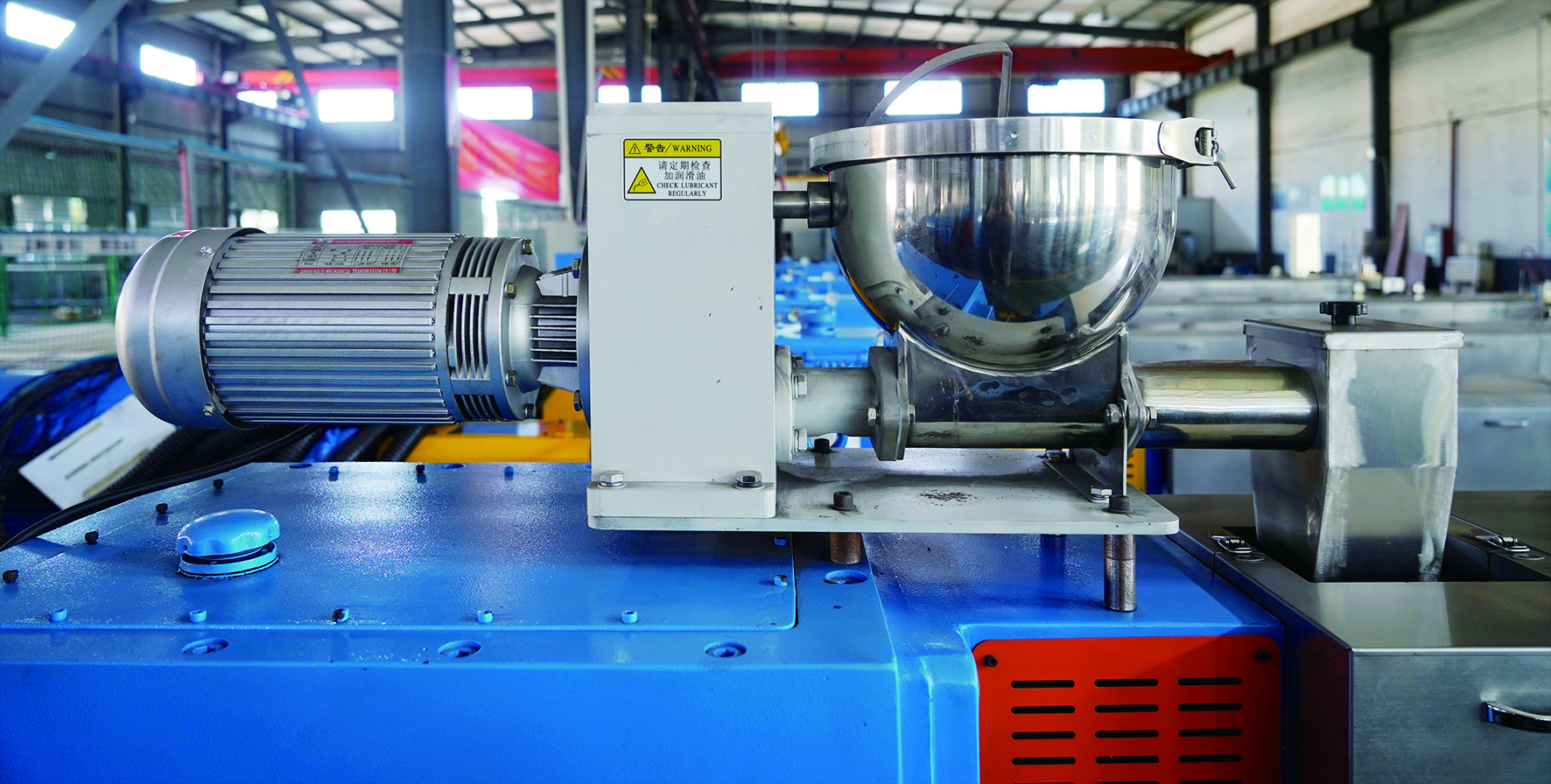
An underwater cutting pellets making machine is a critical asset in modern polymer production and compounding lines. For many processors, it defines not only output capacity, but also pellet quality, operational stability, and long-term profitability. Choosing the right system is therefore less about picking a “machine” and more about selecting a complete process solution that fits the plant’s current and future needs.
In a competitive plastics and materials market, production teams are under constant pressure to deliver uniform pellets, minimize downtime, and reduce energy and water consumption. At the same time, they must handle an increasing variety of resins, from standard polyolefins to engineering plastics, recycled materials, and biodegradable grades. An appropriately specified underwater cutting pellets making machine can support these goals by delivering consistent pellet quality, robust automation, and predictable operating costs.
This article takes a structured, commercial view of underwater pelletizing technology. It outlines what the equipment does, explains the key technical and business selection criteria, and highlights how different machine categories fit different applications. The perspective is intentionally neutral: it focuses on system design principles, not on individual brands or models. The goal is to equip decision-makers with clear, practical, and technically grounded criteria so that any vendor evaluation becomes more objective and less dependent on marketing claims.
1. What Is an Underwater Cutting Pellets Making Machine?
An underwater cutting pellets making machine is a pelletizing system in which molten polymer strands are cut into pellets directly at the die face while fully submerged in process water. The water cools and transports the freshly cut pellets, which are then separated and dried before being conveyed to downstream handling or packaging.
Core elements typically include:
● Die plate with multiple holes through which the molten polymer is pushed
● Rotating cutting head mounted against the die face, with blades that slice the polymer into pellets
● Process water loop that cools and carries pellets away from the cutting chamber
● Centrifugal or vibration dryer that removes residual surface water from the pellets
● Pump, heat exchanger, and filtration for water recirculation and cooling
● Control system and sensors for temperature, pressure, pelletizing speed, and safety functions
Compared with strand pelletizing, where strands are cooled in open water baths and then cut downstream, underwater pelletizing allows more compact layouts, improved process containment, and better control over pellet shape and surface quality. It is widely used for:
● Virgin polymer production (e.g., polyolefins and engineering resins)
● Masterbatch and compound manufacturing
● Recycling and regranulation
● Biodegradable and specialty polymers
In commercial terms, an underwater cutting pellets making machine is usually integrated with an extruder and upstream feeding systems, forming a complete line. Its performance impacts not only pellet quality but also extruder stability, energy use, and overall line uptime.
2. How the Underwater Pelletizing Process Works
Understanding the basic process flow helps a buyer evaluate machine proposals more critically.
2.1 From Melt to Pellets
1 Polymer melting and homogenization
The extruder melts, mixes, and pressurizes the polymer melt. Stabilization of melt temperature and pressure is crucial for uniform pellet size.
2 Flow through the die plate
The melt is forced through the die holes in the die plate. Die design (number, shape, and arrangement of holes, plus heating) influences throughput, pellet shape, and start-up behavior.
3 Underwater cutting at the die face
On the water side of the die, the rotating cutting head presses blades against the die surface. Each time a blade passes a hole, it cuts off a droplet of polymer, forming a pellet. The pellets are immediately surrounded by temperate process water, preventing deformation and sticking.
4 Cooling and transport by process water
The pellet-water mixture leaves the cutting chamber and flows through piping to a centrifugal or vibration dryer. In this section, residence time and water temperature are tuned to achieve complete pellet solidification.
5 Drying and separation
In the dryer, pellets are separated from water and surface moisture is removed. Proper drying ensures free-flowing pellets suitable for conveying, storage, or packaging.
6 Water recirculation
Water is filtered and cooled via a heat exchanger, then returned to the cutting chamber. Good water management minimizes scaling, contamination, and energy waste.
2.2 Process Control and Stability
Modern underwater cutting pellets making machines are typically equipped with PLC or DCS-based control systems, integrating:
● Die and melt temperature control
● Cutter speed synchronization with extruder output
● Water flow, temperature, and pressure monitoring
● Safety interlocks and alarms
From a buyer’s standpoint, process control capabilities often make the difference between a line that runs “on paper” and a line that runs reliably in real production.
3. Key Selection Criteria for an Underwater Cutting Pellets Making Machine
A commercially sound decision should not be based only on catalog capacity figures. Experienced processors typically evaluate machines according to a set of technical and economic criteria. The following framework summarizes the most important ones.
3.1 Capacity, Scalability, and Future Demand
The first dimension is throughput:
● Target production rate today (kg/h or t/h)
● Expected volume growth over 3–5 years
● Number of shifts and operating days per year
Underestimating capacity leads to bottlenecks; overspecifying may lock in unnecessary capital cost. Some machine categories are designed for small- to medium-scale compounding (e.g., a few hundred kg/h), while others are optimized for large commodity resin lines with several tons per hour. Buyers often consider:
● Whether the system can be upgraded later with additional die holes or larger cutters
● The ability to handle turndown (running at 30–50% of nominal capacity without instability)
A robust vendor proposal should provide data on both maximum throughput and stable low-rate operation.
3.2 Polymer Range and Pellet Quality Requirements
Different machines are optimized for different material portfolios:
● Commodity polyolefins (PE, PP)
● Engineering resins (PA, PBT, PC, etc.)
● Filled compounds and masterbatches (glass fiber, mineral, pigment)
● Recycled resins with contaminants or variable melt properties
● Biodegradable or bio-based polymers with thermal sensitivity
Pellet quality demands also vary: some applications require tight size distribution and very low fines; others are more tolerant. Key aspects to evaluate:
● Die plate heating and material to prevent freeze-off or degradation
● Cutter design to minimize fines and tails
● Ability to maintain pellet roundness and smooth surfaces at different outputs
Selection should align the machine’s design envelope with the plant’s real product mix, not only with one “ideal” grade.
3.3 System Configuration and Layout
Underwater cutting systems are supplied in several configuration categories, such as:
● Compact integrated units
– Cutter, water system, and dryer on a single frame, saving floor space and installation time.
– Ideal for smaller compounding lines and frequent relocations.
● Modular systems
– Separate frames for cutter, water loop, and drying, more flexibility for large lines.
– Better suited to high-throughput commodity production and custom plant layouts.
Key layout considerations:
● Available floor space and ceiling height
● Access for maintenance and die changes
● Integration with existing extruders, feeders, and conveying systems
Experienced engineering teams will typically request 2D/3D layout drawings early in the project to verify accessibility and to avoid surprises during installation.
3.4 Process Water System and Drying Efficiency
The process water loop strongly influences operational costs and product quality:
● Water flow and temperature control must be precise enough to ensure consistent cooling, especially for high-temperature engineering resins.
● Filtration needs to handle fines and possible contaminants (e.g., from recycled materials) without frequent clogging.
● Dryer efficiency affects residual moisture, pellet surface quality, and dust levels.
When comparing machines, buyers often look at:
● Energy demand of water pumps and dryers
● Ease of cleaning and filter change
● Options for closed-loop systems to reduce fresh water consumption
Some plants prioritize water and energy savings as much as raw output capacity because operating cost reductions accumulate significantly over the machine’s lifetime.
3.5 Automation, Monitoring, and Digital Integration
A modern underwater cutting pellets making machine usually includes:
● Touchscreen HMI for operation and recipe management
● Integration with plant control systems (e.g., OPC UA, Modbus, or similar)
● Alarm logging and diagnostic functions
For plants with digital transformation goals, additional features may be relevant:
● Data logging for quality documentation and traceability
● Remote support capabilities
● Trend monitoring for predictive maintenance (e.g., vibration or temperature tracking of critical components)
From a commercial perspective, better automation reduces dependence on individual operators and simplifies training, which can be crucial in regions with high labor turnover.
3.6 Energy Efficiency and Sustainability
Energy usage is a significant part of lifetime costs. Key contributors include:
● Cutter drive motor
● Process water pump(s)
● Dryer motor(s) and associated equipment
● Water cooling system (chillers, cooling towers, or heat exchangers)
Decision-makers increasingly compare machines based not only on purchase price but also on kWh per ton of pellets. Additionally, the ability to reuse heat (e.g., integrating the water loop with other plant utilities) and to minimize water consumption helps align with corporate sustainability targets.
3.7 Safety, Compliance, and Hygiene
Safety standards, local regulations, and internal corporate rules all influence system choice. Buyers typically expect:
● Mechanical guards and interlocks around rotating equipment
● Emergency stop circuits and safe shutdown procedures
● Suitable design for high-temperature and high-pressure zones
● Compliance with relevant electrical and machine directives or standards in the target market
For applications in food packaging, medical, or high-purity polymers, attention to surface finishes, dead-space-free piping, and cleanability also becomes significant.
3.8 Maintenance, Spare Parts, and Service Support
Even the best underwater cutting pellets making machine requires regular service. Practical criteria include:
● Time and tools needed for die changes and cutter blade replacement
● Availability and cost of consumables (blades, seals, filters)
● Access to service technicians and technical support
● Clear documentation and maintenance schedules
In some cases, a processor may prioritize machine categories that are simple and robust over highly sophisticated but complex technologies, especially in regions where specialized service skills are limited.
3.9 Total Cost of Ownership (TCO) and Payback
An underwater pelletizing system is a long-term investment. A technically sound evaluation typically adds the following components:
● Purchase price of the complete system (including installation and commissioning)
● Energy, water, and consumable costs over the expected lifetime
● Planned maintenance, spare parts, and potential downtime cost
● Flexibility to handle new products and avoid future retrofit costs
By comparing TCO and projected payback periods, finance and operations teams can align on a decision that balances short-term budget limitations with long-term profitability.
4. Matching Machine Categories to Different Applications
Underwater cutting pellets making machines can be grouped into broad categories. Each category fits different industrial situations and commercial strategies.
4.1 Compounding and Masterbatch Producers
Compounding and masterbatch plants often handle many recipes, frequent color changes, and variable batch sizes. They typically value:
● Fast startup and shutdown
● Quick cleaning and short changeover time
● Good pellet quality even at medium throughput
In this environment, compact or mid-size modular systems are common. Operators benefit from easy access to the cutter and die, clear operator interfaces, and flexible recipe management. While ultimate maximum capacity may not be as high as specialized commodity lines, versatility and uptime are a priority.
4.2 Large-Scale Commodity Resin Production
Producers of large volumes of polyolefins or other commodity resins usually operate highly standardized, long-running campaigns with limited product changes. Requirements include:
● Very high throughput
● Highly robust equipment designed for continuous operation
● Efficient use of energy and water at large scale
For this segment, larger and more modular underwater pelletizing systems are suitable. Advanced process controls, redundant equipment in critical areas, and sophisticated water management (e.g., multi-stage filtration and heat recovery) are typically justified by the sheer volume of output and the high cost of downtime.
4.3 Recycling and Regranulation
Recycling lines present unique challenges:
● Variable feedstock quality
● Possible contaminants (metals, paper, dirt)
● Fluctuating melt viscosity and moisture levels
For such applications, robust cutters, strong filtration in the water loop, and easy cleaning are crucial. System categories designed for recycling often tolerate more variations in process conditions while still producing stable pellets. Over-specifying ultra-fine quality features may not be economical if the end application can accept a broader pellet specification.
4.4 Biodegradable and Specialty Polymers
Biodegradable and specialty polymers can be temperature and shear sensitive. They may also have narrow processing windows and specific storage requirements. Machine selection in this segment should consider:
● Precise temperature control at die and water loop
● Gentle cutting and minimal residence time
● Option to tailor pellet size and shape for downstream processing
In many cases, these lines are lower in throughput but higher in value added. Investment in more advanced control and monitoring can be justified if it reduces scrap and preserves material performance.
5. Implementation Roadmap: From Specification to Production
Buying the right underwater cutting pellets making machine is only part of the success story. How the system is specified, installed, and ramped up also determines its long-term value.
5.1 Define Requirements and Constraints
Cross-functional teams (production, maintenance, quality, and finance) should jointly define:
● Product range and target capacities
● Pellet quality criteria (size distribution, fines level, moisture)
● Space, utilities, and integration constraints
● Environmental and sustainability objectives
Documenting these requirements in a structured specification reduces misunderstanding in discussions with equipment suppliers.
5.2 Evaluate Proposals Using Objective Criteria
Rather than comparing only price and catalog capacity, experienced buyers use a scoring matrix that includes:
● Technical fit (polymer range, capacity, pellet quality)
● Energy and water consumption estimates
● Automation and integration features
● Maintenance and service concept
● Delivery, training, and warranty terms
This approach supports transparent internal decision-making and provides a basis for negotiation without brand-bashing or subjective judgments.
5.3 Factory Acceptance Test (FAT) and Site Acceptance
Before shipment, many processors request a Factory Acceptance Test using representative materials or simulation. Typical objectives:
● Verify throughput and pellet quality
● Check control system functions, alarms, and safety devices
● Review documentation and spare parts lists
After installation, Site Acceptance Tests confirm performance in the real plant environment, including integration with the extruder, feeding systems, and conveying.
5.4 Training, Documentation, and Continuous Improvement
Operator and maintenance training should not be treated as an afterthought. Clear operating instructions, troubleshooting guides, and regular reviews of process data help the plant:
● Achieve stable operation faster
● Reduce unplanned downtime
● Optimize energy and water usage over time
Some processors implement internal best practice standards for start-up, shutdown, product changeover, and cleaning, ensuring that know-how is retained even when personnel change.
6. FAQ: Underwater Cutting Pellets Making Machine
6.1 What is an underwater cutting pellets making machine?
An underwater cutting pellets making machine is a pelletizing system that cuts molten polymer into pellets directly at the die face while submerged in water. The water cools and transports the pellets to a dryer, where the water is removed. This process results in uniform, free-flowing pellets suitable for downstream conveying, storage, or packaging.
6.2 How does it differ from strand pelletizing?
In strand pelletizing, polymer strands are extruded into open air or a water bath, cooled, and then cut into pellets at a separate downstream cutter. In underwater pelletizing, the cutting occurs immediately at the die face inside a water-filled chamber. This allows more compact layouts, improved process containment, and often more consistent pellet shape, especially at higher throughputs.
6.3 What polymers can be processed with underwater pelletizing?
Underwater pelletizing can handle a wide range of materials, including many polyolefins, engineering plastics, filled compounds, masterbatches, recycled resins, and some biodegradable polymers. The exact processing window depends on die design, water system performance, and temperature control. For very temperature-sensitive materials, careful system configuration and parameter tuning are required.
6.4 How should a company size an underwater cutting pellets making machine?
Sizing is typically based on the maximum and minimum expected throughput of the extrusion line, the viscosity range of the polymers, and pellet quality requirements. A properly sized system should operate stably at both full load and partial load. Experienced engineering teams review melt flow rates, extruder capabilities, and campaign patterns to propose a die and cutter configuration that balances capacity with operational flexibility.
6.5 What factors influence pellet quality?
Pellet quality is mainly influenced by:
● Melt temperature and pressure stability at the die
● Die plate design (hole geometry, heating, and material)
● Cutter speed and blade condition
● Process water temperature and flow rate
● Drying efficiency and handling after pelletizing
Stable process conditions and well-maintained mechanical components are essential to minimize fines, tails, and off-spec pellets.
6.6 How much maintenance does an underwater pelletizing system require?
Maintenance needs vary by system category and usage, but regularly scheduled activities typically include:
● Inspection and replacement of cutter blades and seals
● Cleaning of die plate surfaces and water filtration units
● Checking wear on pumps, bearings, and dryer components
● Verifying sensor accuracy and safety functions
A clear maintenance plan and easy access to critical parts help reduce downtime and keep the system operating at design performance.
6.7 How important are energy and water consumption in the selection process?
Energy and water costs have a significant impact on total cost of ownership, especially for high-throughput lines or plants operating many shifts per year. Comparing the estimated kWh per ton of pellets, pump and dryer efficiencies, and the possibility of closed-loop water systems can reveal large differences between machine concepts. For many companies, these operating costs are just as important as the initial purchase price.
6.8 Can an existing extrusion line be upgraded with an underwater cutting pellets making machine?
In many cases, yes. Retrofitting an existing line requires evaluating:
● Space and layout constraints around the extruder
● Available utilities (water, cooling capacity, and power)
● Control system integration options
● Mechanical interface between extruder and pelletizing unit
A well-planned retrofit can increase throughput, improve pellet quality, and reduce manual handling compared with older pelletizing technologies. However, a thorough engineering review is essential to ensure that the extruder, upstream feeding, and downstream conveying can support the new system.
By evaluating underwater cutting pellets making machines through clear technical and commercial criteria—capacity, polymer range, system configuration, water and energy management, automation, safety, and total cost of ownership—processors can select solutions that support both current production needs and long-term strategic goals.
mai:zhuo.li@zextrusion.com
factory address: No.135 Shiba Road, Taowu Industrial Park, Jiangning District, Nanjing
office address: Room 1408, Block C4, Vanke Duhui World, No. 31, Lvdu Avenue, Jiangning District, Nanjing