
Quality Solutions for Plastic Recycling: How Businesses Can Turn Waste into Reliable Value
The global plastics industry is under intense pressure to reduce waste, lower carbon emissions, and comply with increasingly strict regulations. At the same time, manufacturers and brand owners need consistent, high-quality recycled materials that can perform as well as – or better than – virgin plastics in many applications.
This is where quality solutions for plastic recycling become essential. Quality is no longer a “nice-to-have” feature; it is a critical requirement that determines whether recycled plastics can be used in packaging, automotive components, construction materials, textiles, and many other end markets.
This article explores how organizations can design and select quality solutions for plastic recycling, from equipment and processes to technology partners and long-term quality management. It uses clear, practical selection criteria and focuses on categories of solutions rather than individual brands, ensuring a neutral and objective perspective.
1. Why Quality Matters in Plastic Recycling
Recycling plastics has traditionally been associated with low-value applications, where variability in color, mechanical properties, and contamination might be tolerated. Today, that is no longer the case. Quality directly influences:
1 Product performance
End users demand recycled materials that meet specifications for tensile strength, impact resistance, melt flow index, and color stability. Poor-quality recyclate can lead to cracking, warping, or reduced shelf life.
2 Operational efficiency and yield
Inconsistent feedstock or unstable processing conditions cause line stoppages, higher scrap rates, and increased maintenance. Quality solutions minimize unplanned downtime and maximize usable output.
3 Regulatory compliance and safety
For applications such as food-contact packaging, toys, or medical components, contamination and traceability are critical. Quality solutions help organizations meet regulatory requirements and industry standards.
4 Brand reputation and market access
Companies that depend on recycled content must protect their brand image. Frequent quality complaints and product recalls can damage reputation and limit access to high-value customers.
By focusing on quality solutions for plastic recycling, organizations can transition from “just recycling” to building robust circular value chains.
2. Core Components of Quality Solutions for Plastic Recycling
A quality-focused recycling system is not defined by a single piece of equipment. Instead, it integrates feedstock management, process technology, automation, and quality control into a cohesive solution.
2.1 Feedstock Assessment and Sourcing
Any quality solution starts with understanding the plastic waste stream:
● Type of polymers (PET, HDPE, PP, LDPE, PS, engineering plastics, etc.)
● Level and types of contamination (labels, metals, organics, multilayer films, other polymers)
● Consistency of supply (volume, seasonal variations, collection sources)
Sophisticated operators invest in feedstock characterization, including:
● Regular sampling and lab testing
● Classification by polymer type and application
● Contamination mapping (e.g., moisture, food residues, non-plastics)
The more stable and well-characterized the input, the easier it is to produce consistent, high-quality output.
2.2 Sorting and Separation Systems
Accurate sorting is the backbone of quality recycling. Modern solutions typically combine several categories of technology:
● Mechanical pre-sorting: Screens, trommels, and ballistic separators to separate by size and shape.
● Magnetic and eddy current separation: Removal of ferrous and non-ferrous metals for safety and purity.
● Optical sorting: Near-infrared (NIR) and color cameras to identify polymer types and remove off-spec materials.
● Air separation: For light vs heavy fractions (films vs rigid plastics, for example).
● Robotics and AI-based sorting: Automated picking systems that use vision and machine learning to improve accuracy over time.
Quality solutions aim for high purity levels while minimizing material loss. In many cases, multiple sorting stages are used to reach the purity required for demanding applications.
2.3 Size Reduction and Washing
Once sorted, plastics are typically shredded or granulated into smaller fractions. Quality-focused systems consider:
● Controlled particle size distribution
● Minimizing dust and fines
● Gentle cutting to avoid excessive heat
After size reduction, washing systems remove labels, adhesives, dirt, and organic contaminants. High-quality washing lines generally include:
● Pre-wash stages to remove heavy contamination
● Friction washers for intensive cleaning
● Flotation tanks to separate materials by density
● Hot washing where required for more stubborn residues
The goal is to achieve a clean flake with low residual contamination and moisture.
2.4 Drying and Dewatering
Moisture is a common quality issue in plastic recycling. Excess water can affect extrusion, cause porosity, and reduce mechanical properties. Quality solutions use:
● Mechanical dewatering (centrifuges, squeeze dryers)
● Thermal drying (air dryers, infrared dryers, or other heating systems)
Well-designed drying systems are matched to the polymer type and throughput, balancing energy efficiency with moisture targets.
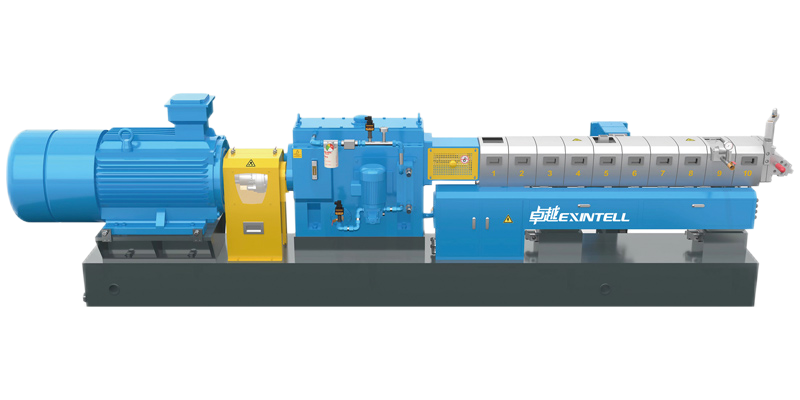
2.5 Extrusion, Filtration, and Pelletizing
The extrusion stage transforms cleaned and dried flakes into regranulate or pellets. Key aspects of quality at this step include:
● Extruder design matched to polymer type and contamination level
● Melt filtration using screen changers or melt filters to remove remaining fine contaminants
● Degassing and venting to remove volatile substances and moisture
● Pelletizing technology (strand, underwater, or die-face) suited to the polymer and application
Consistent extrusion temperature profiles, screw design, and residence time are essential to avoid polymer degradation and color variation.
2.6 Process Control and Data Systems
Modern recycling facilities increasingly rely on process monitoring and automation:
● Sensors for temperature, pressure, torque, and energy consumption
● In-line measurement of melt flow index, color, or contamination levels (where feasible)
● Data logging and analytics to identify trends and optimize performance
Quality solutions for plastic recycling are not static. Data-driven control allows continuous improvement, early detection of deviations, and more accurate certification of material quality.
2.7 Quality Testing and Laboratory Support
A robust quality solution extends beyond the production line into the laboratory. Typical testing capabilities include:
● Melt flow index (MFI/MFR)
● Density and moisture content
● Mechanical properties (e.g., tensile, impact)
● Color measurement (e.g., L*a*b* values)
● Odor assessment
● Contamination analysis (e.g., black specks, gels, other polymers)
Laboratory results are used to build material data sheets and specifications that downstream customers can rely on.
3. Defining “Quality” – Key Selection Criteria
To demonstrate genuine expertise, any organization evaluating quality solutions for plastic recycling needs clear, transparent selection criteria. These apply both to equipment and to potential recycling partners or technology providers.
3.1 Material Compatibility and Performance
Key questions include:
● Can the solution handle the specific polymer types and blends required?
● Is it suitable for post-consumer, post-industrial, or both?
● Does it support the target applications (e.g., packaging, automotive, construction)?
A high-quality solution will be backed by documented case studies, test reports, or pilot trials for similar materials and applications.
3.2 Purity, Yield, and Consistency
● What purity levels can be consistently achieved (e.g., >95%, >98%, or higher)?
● How does the system balance purity against yield to minimize material loss?
● Are there documented process parameters and quality control plans?
Organizations should look for clearly defined quality targets and evidence that these can be met over time, not just in isolated trials.
3.3 Throughput and Scalability
● Is the equipment or system sized correctly for current volumes?
● Can it be scaled up or modularly expanded as volumes grow?
● What is the typical uptime and line efficiency under normal operating conditions?
Quality solutions are not just accurate; they are stable at the throughput required by the business.
3.4 Energy Efficiency and Operating Costs
Quality should not come at the expense of unsustainable operating costs. Key questions include:
● What is the energy consumption per ton of output?
● How do water usage, detergents, and other consumables impact total cost?
● Are there integrated features to recover heat, water, or materials?
A competitive recycling operation requires a realistic assessment of total cost per ton for the required quality level.
3.5 Regulatory Compliance and Certifications
For applications with higher risk profiles, quality solutions should facilitate compliance with relevant standards and regulations, for example:
● Management systems such as ISO 9001 (quality) and ISO 14001 (environment)
● Food-contact or other application-specific guidelines where relevant
● Traceability and documentation, including batch records and material declarations
Technology and service providers who understand these frameworks can support customers with the necessary documentation.
3.6 Service, Training, and Technical Support
High-quality recycling performance depends heavily on operators and maintenance teams. Important criteria include:
● Availability of training programs and operating manuals
● Remote support and troubleshooting capabilities
● Spare parts availability and response times
● Assistance with process optimization and quality improvement projects
A technically sophisticated solution without support often fails to deliver its full potential.
3.7 Total Cost of Ownership (TCO)
Rather than focusing solely on the purchase price of equipment, leading organizations consider:
● Initial investment
● Installation and commissioning costs
● Operating expenses (energy, labor, consumables)
● Maintenance and spare parts
● Expected lifetime and resale or upgrade options
Quality solutions for plastic recycling create value over the full lifecycle, not only at the moment of purchase.
3.8 Data, Traceability, and Reporting
As supply chains demand more transparency, data capabilities become a selection criterion:
● Can the system track material from input to output?
● Are batch records and quality reports easily generated?
● Is there integration with existing ERP or quality systems?
Reliable data enhances trust between recyclers, converters, and brand owners.
4. Matching Quality Solutions to Different Plastic Streams
There is no “one-size-fits-all” solution. The optimal configuration depends on the specific plastic stream and end-use requirements.
4.1 PET Bottles and Flakes
PET recycling often targets high-value applications such as fibers, sheets, or even food-contact packaging. Quality solutions typically include:
● Advanced NIR sorting to separate PET from other polymers
● Color sorting to distinguish clear from colored bottles
● Intensive hot washing to remove labels, adhesives, and residues
● High-performance filtration and decontamination in extrusion
Purity and decontamination levels are especially critical when targeting demanding applications.
4.2 HDPE and PP Rigid Packaging
Detergent bottles, personal care containers, and household packaging often consist of HDPE or PP. Quality solutions may incorporate:
● Separation of HDPE and PP from other rigid plastics
● Color sorting to create natural, white, or colored streams
● Customized washing processes to handle diverse residues
● Tailored extrusion settings to maintain impact strength and stiffness
Here, consistency of mechanical properties and color becomes a key selling point.
4.3 LDPE/LLDPE Films and Flexible Packaging
Film and flexible packaging streams are often highly contaminated and heterogeneous. Quality solutions may include:
● Specialized film sorting and de-baling systems
● High-capacity washing lines capable of dealing with dirt, inks, and adhesives
● Efficient drying systems to minimize moisture in thin materials
● Extruders with strong degassing capabilities and robust melt filtration
Achieving high-quality recyclate from films requires careful design and often staged upgrades.
4.4 Engineering Plastics and Mixed Streams
Electronics, automotive parts, and other technical applications produce mixed streams with engineering plastics. Quality solutions often rely on:
● Detailed material analysis and characterization
● Targeted sorting based on density or spectroscopic signatures
● Batch-based processing and stringent lab testing
● Close collaboration between recyclers, compounders, and end users
These streams may generate smaller volumes but higher value, making quality and technical expertise especially important.
5. Building a High-Quality Recycling Partnership
For many organizations, the best path to high-quality recycling involves partnerships with specialized recyclers, technology providers, and consultants. When selecting partners, companies should consider:
● Proven experience with similar materials and applications
● Demonstrated commitment to quality and continuous improvement
● Investment in modern sorting, washing, and compounding technologies
● Availability of pilot lines and testing capabilities for new projects
● Transparency in data, reporting, and communication
Partnerships built around clear quality targets, documented specifications, and shared KPIs tend to be more successful and resilient over time.
6. Best Practices to Maintain Quality Over Time
Even the best-designed solution can underperform without consistent management. Leading organizations adopt a systematic approach:
5 Standard Operating Procedures (SOPs)
Clearly documented steps for material handling, equipment operation, and quality checks.
6 Regular Preventive Maintenance
Scheduled maintenance for critical components such as screens, filters, blades, and sensors to avoid sudden failures and quality drops.
7 Training and Skill Development
Operators trained not only to run machines but also to understand the impact of parameters on quality and yield.
8 Continuous Improvement Programs
Use of key performance indicators (KPIs) such as purity rate, yield, energy consumption, and complaint rate to drive improvements.
9 Internal Audits and External Certifications
Periodic reviews and, where relevant, third-party audits to ensure that systems remain aligned with internal standards and regulatory expectations.
7. The Business Case for Investing in Quality Solutions for Plastic Recycling
Investing in high-quality solutions for plastic recycling is not just an environmental decision; it is a strategic business move.
● Higher-value applications
Better-quality recyclate opens access to premium markets and more demanding customers.
● Reduced risk and variability
Stable quality reduces complaints, returns, and production issues for downstream converters and brand owners.
● Regulatory and customer compliance
Meeting recycled content targets, extended producer responsibility (EPR) requirements, and sustainability pledges becomes more achievable.
● Stronger brand positioning
Companies that can prove the quality and traceability of their recycled materials strengthen their sustainability narrative and competitive advantage.
The organizations that treat quality as a core design principle – rather than an afterthought – are better positioned to build profitable and resilient circular business models.
8. Conclusion
Quality solutions for plastic recycling are transforming the way organizations think about waste. Instead of viewing plastics as a liability, businesses can treat them as a reliable, high-value resource. This requires a holistic approach that integrates feedstock assessment, advanced sorting and washing technologies, precise extrusion and filtration, robust lab testing, and data-driven process control.
By using clear selection criteria and building strong partnerships, companies can ensure that their recycling investments deliver both environmental and economic returns. Quality is the bridge between sustainability targets and real-world performance.
Frequently Asked Questions (FAQ)
1. What does “quality” mean in plastic recycling?
In plastic recycling, “quality” refers to the consistency, purity, and performance of the recycled material. High-quality recyclate meets defined specifications for polymer type, contamination level, color, and mechanical properties. It is supported by documented testing and stable process control.
2. Why are quality solutions for plastic recycling so important for manufacturers?
Manufacturers increasingly rely on recycled plastics to meet sustainability targets and regulatory requirements. Quality solutions reduce variability, minimize production problems, and enable the use of recyclate in applications that traditionally depended on virgin materials. This leads to higher value, lower risk, and stronger customer confidence.
3. How can a company evaluate different recycling technologies without naming specific brands?
Companies can compare categories of technologies and system designs based on objective criteria such as:
● Achievable purity and yield
● Energy and water consumption
● Proven performance with similar materials
● Flexibility to process different streams
● Availability of technical support and training
By focusing on performance data, standards, and case histories, organizations can make informed decisions without relying on brand comparisons.
4. What are the main challenges in producing food-contact or high-spec recycled plastics?
For food-contact and other high-spec applications, key challenges include:
● Achieving very low contamination levels
● Ensuring effective decontamination and filtration
● Maintaining polymer properties during repeated processing
● Providing full traceability and documentation
These applications typically require more advanced sorting, hot washing, decontamination steps, and rigorous testing protocols.
5. How can organizations start improving the quality of their existing recycling operations?
Organizations can begin by:
● Conducting a thorough audit of current feedstock, processes, and quality results
● Identifying bottlenecks in sorting, washing, drying, or extrusion
● Introducing or upgrading quality testing capabilities
● Training operators on quality-critical parameters
● Collaborating with technology and recycling partners to design targeted improvements
Even incremental upgrades – if guided by clear data and objectives – can significantly improve the quality and value of recycled plastics.
6. Is it always necessary to invest in completely new equipment to improve quality?
Not always. In many cases, quality improvements can be achieved through:
● Process optimization and parameter adjustments
● Adding or upgrading specific modules (e.g., filtration, drying, or optical sorting)
● Enhanced maintenance practices
● Improved feedstock selection and pre-sorting
However, when existing systems cannot meet future regulatory or customer requirements, more substantial investments in new solutions may be justified.
By focusing on structured selection criteria, robust process design, and continuous improvement, organizations can turn quality solutions for plastic recycling into a strategic advantage, rather than just an operational requirement.
mai:zhuo.li@zextrusion.com
factory address: No.135 Shiba Road, Taowu Industrial Park, Jiangning District, Nanjing
office address: Room 1408, Block C4, Vanke Duhui World, No. 31, Lvdu Avenue, Jiangning District, Nanjing