
Plastic Granule Making Machine: A Complete Commercial Buyer’s Guide
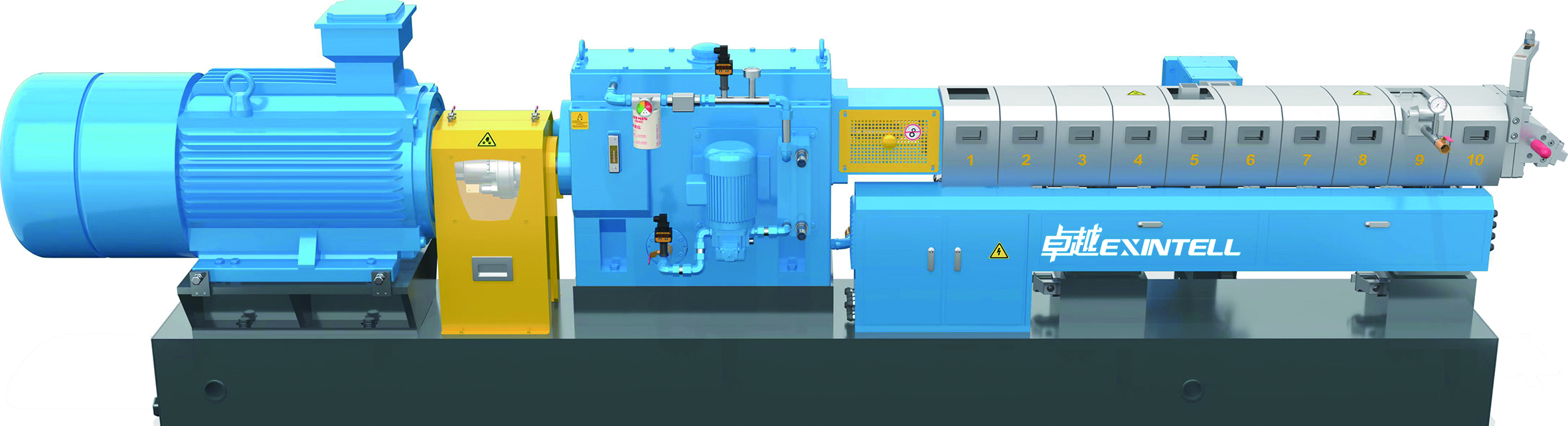
A Plastic Granule Making Machine is one of the most critical assets in modern plastics manufacturing and recycling. It transforms raw plastic materials or regrind into uniform granules (pellets) that can be efficiently stored, transported, and re-used in injection molding, extrusion, or blow molding lines. For many factories, the right granule making machine determines overall production cost, product stability, and long-term competitiveness.
This guide explains the working principles, machine categories, and clear selection criteria from a commercial perspective. It is written for decision-makers, engineers, and investors who need reliable, structured information before committing capital to a new plastic granule making line.
1. What Is a Plastic Granule Making Machine?
A Plastic Granule Making Machine is a complete processing line that converts plastic feedstock—such as film scraps, bottle flakes, injection molding runners, or virgin resin—into standardized granules. These granules typically have consistent:
● Size and shape
● Bulk density
● Moisture content
● Flow characteristics (MFI consistency)
Instead of feeding irregular flakes or powders directly into downstream equipment, granules offer stable behavior in hoppers, dosing systems, and screws. This leads to:
● More predictable processing parameters
● Reduced machine downtime
● Lower raw material loss
● Better product quality and fewer defects
From a business point of view, a plastic granule making machine:
● Adds value to waste streams and production scraps
● Reduces dependence on external granule suppliers
● Enhances control over material formulation and quality
● Can be a new profit center when selling recycled granules to the market
2. Key Components and Working Principle
Although configurations vary, most plastic granule making machines follow a similar process flow:
1 Feeding System
The material is fed into the line by a hopper, conveyor, or force feeder. For light film or fluffy materials, a compactor or agglomerator is often used to increase bulk density and stabilize feeding.
2 Extruder
The extruder is the heart of the machine. A rotating screw (or twin screws) pushes material forward while heaters and shear melt the plastic. Important zones include:
○ Feeding zone
○ Compression or melting zone
○ Metering and mixing zone
3 Degassing and Filtration
○ Vent or vacuum ports remove moisture and volatile components that can cause bubbles or poor mechanical properties.
○ Screen changers and filters remove metal, paper, dust, or other contaminants to protect downstream equipment and improve granule quality.
4 Pelletizing System
Melted and filtered plastic exits through a die and is cut into granules using:
○ Strand pelletizing
○ Water-ring pelletizing
○ Underwater pelletizing
○ Hot-cut air-cooling pelletizing
5 Cooling and Drying
Granules are cooled (usually by water, air, or a combination) and dried to achieve a stable temperature and minimal surface moisture.
6 Screening, Storage, and Packaging
Granules pass through a classifier to remove oversize and undersize particles, then move to silos, big bags, or smaller packages for storage and dispatch.
Understanding each of these stages helps a buyer evaluate where performance, quality, or efficiency can be improved.
3. Main Categories of Plastic Granule Making Machines
Plastic granule making machines can be grouped into several categories based on screw configuration, pelletizing style, and application focus. Each category suits different materials and business models.
3.1 Single-Screw vs. Twin-Screw Granule Lines
Single-screw granule making machines
● Commonly used for relatively clean, homogeneous materials (e.g., PE, PP, PS).
● Provide stable output with simpler operation and lower initial cost.
● Preferred when formulation is simple and the main task is melting and shaping.
Twin-screw granule making machines
● Offer intensive mixing and dispersive capability, ideal for:
○ Filled compounds (CaCO₃, talc, glass fiber, etc.)
○ Color masterbatches
○ Functional polymer blends and additives
● Provide better control over dispersion, degassing, and homogenization, but are typically more complex and expensive.
3.2 Strand, Water-Ring, and Underwater Pelletizing
Strand pelletizing
● Melt extrudate is shaped into strands, cooled in a water bath, and cut by a pelletizer.
● Simple and robust; suitable for many commodity plastics.
● Requires stable strand formation and operator attention.
Water-ring pelletizing
● Melt flows through a die plate, and rotating knives cut pellets directly in a water ring.
● Compact layout with continuous operation.
● Suitable for both virgin and recycled materials, especially for medium–high output.
Underwater pelletizing
● The die is submerged in a water chamber; pellets are cut and instantly cooled.
● Offers excellent pellet shape and high throughput; often used in high-value compounding and engineering plastics.
● Typically more complex and higher in investment cost.
3.3 Recycling-Oriented vs. Compounding-Oriented Machines
Recycling-oriented granule making machines
● Designed to handle contaminated, variable feedstock from post-consumer or post-industrial waste.
● Often include integrated shredding, washing, drying, and advanced filtration.
● Focus on robustness, energy efficiency, and decontamination.
Compounding-oriented granule making machines
● Target precise formulation of plastic compounds with fillers, colorants, and additives.
● Emphasize mixing efficiency, dosing accuracy, and consistent mechanical properties.
● Often configured as twin-screw lines with side feeders and liquid dosing systems.
4. Clear Selection Criteria for a Plastic Granule Making Machine
Because a plastic granule making machine is a long-term investment, selection should be guided by structured and measurable criteria. The following points help buyers make decisions aligned with both technical requirements and business strategy.
4.1 Material Compatibility and Application
The first question is always “What materials and products will the machine handle?” Key considerations include:
● Polymer types: PE, PP, PS, ABS, PET, PVC, engineering plastics, etc.
● Source of material: Post-consumer waste, industrial scrap, virgin resin, or a blend.
● Level of contamination: Presence of labels, dirt, paper, or metals.
● Target product: Simple recycled pellets, high-end compounds, masterbatches, or specialty grades.
For highly filled or technically demanding compounds, twin-screw designs and advanced dosing systems are usually preferred. For basic recycling or re-pelletizing of clean scrap, a single-screw line may be sufficient and more economical.
4.2 Required Output Capacity
Capacity should be aligned with current and planned production volumes:
● Typical lines range from a few hundred kilograms per hour to several tons per hour.
● Oversizing the line can lead to underutilization and high fixed costs per kilogram.
● Undersizing forces overtime, higher wear, and lost sales due to insufficient supply.
A structured approach is:
7 Determine average daily and monthly material throughput.
8 Account for planned growth over 3–5 years.
9 Consider realistic operating hours (shifts, maintenance downtime).
10 Select a machine whose nominal capacity is slightly above the expected steady-state requirement.
4.3 Pellet Quality and Stability
Granule quality directly impacts downstream processes and final product performance. Good pellet quality includes:
● Uniform size and shape
● Low dust and fines
● Consistent color and formulation
● Stable melt flow index (MFI) within defined tolerances
Key design features that support pellet quality are:
● Effective screw design and mixing elements
● Proper filtration and screen changer configuration
● Stable temperature control across the barrel and die
● Well-designed pelletizing and cooling systems
Companies targeting high-value markets—such as automotive, electronics, or food packaging—should prioritize machines that demonstrate proven control over pellet consistency.
4.4 Automation, Control, and Data
Modern plastic granule making machines increasingly integrate:
● PLC or industrial PC control with touch screens
● Recipe management for different materials and formulations
● Automatic start/stop and alarm systems
● Real-time monitoring of temperature, pressure, and energy consumption
● Data logging for quality traceability and process optimization
Higher automation reduces dependence on operator skill, improves safety, and supports stable, repeatable production. For factories that aim for long-term digitalization and Industry 4.0 integration, investing in advanced control systems is often justified.
4.5 Energy Efficiency and Operating Cost
Energy cost is one of the largest ongoing expenses. A machine with better energy performance may have a higher purchase price but lower life-cycle cost. Indicators of efficient design include:
● Optimized screw and barrel design for effective melting with minimal shear heat waste
● High-efficiency motors and drives
● Insulated barrel heaters and die heads
● Energy-saving vacuum pumps and cooling systems
● Ability to run at stable setpoints without frequent fluctuations
When comparing machines, buyers should estimate energy consumption per kilogram of granules and factor this into the total cost of ownership over several years.
4.6 Filtration, Degassing, and Contamination Control
For recycling applications, filtration and degassing capabilities often determine whether the product is acceptable for demanding uses.
Important aspects include:
● Size and type of screen changer (manual, semi-automatic, automatic, continuous)
● Filtration fineness and pressure stability
● Number and design of venting zones (atmospheric or vacuum)
● Options for additional degassing modules if feedstock varies over time
Factories dealing with mixed or lower-quality waste streams should prioritize robust filtration systems to protect downstream equipment and maintain marketable pellet quality.
4.7 Safety, Compliance, and Environmental Performance
A plastic granule making machine should comply with relevant safety and environmental regulations applicable in the installation region, such as:
● Mechanical and electrical safety standards
● Guarding and interlocks
● Emergency stop systems
● Dust, fume, and noise control
● Proper handling and treatment of process water in wet systems
From a commercial point of view, machines that facilitate easier compliance with regulations reduce the risk of fines, downtime, or reputational damage.
4.8 After-Sales Support, Training, and Spare Parts
Reliability is not only a matter of design; it also depends on technical support and spare parts availability. Before choosing a machine, buyers typically evaluate:
● Availability of local or regional service technicians
● Remote troubleshooting and software support
● Training programs for operators and maintenance staff
● Response time for critical spare parts
● Clear documentation and manuals
Even if a machine looks attractive on paper, weak after-sales support can lead to extended downtime and hidden costs.
4.9 Budget, Financing, and Total Cost of Ownership
Finally, the decision should not be based purely on the purchase price. A structured financial assessment includes:
● Initial investment (machine, auxiliary equipment, installation)
● Operating costs (energy, labor, consumables, maintenance)
● Revenue from product sales or cost savings from in-house recycling
● Expected lifetime and residual value of the equipment
● Payback period and internal rate of return (IRR)
By modeling total cost of ownership over a 5–10 year period, a buyer can distinguish between low-price options and genuine long-term value.
5. How Plastic Granule Making Machines Support Recycling and Sustainability
Sustainability is becoming a central driver in plastics manufacturing. A plastic granule making machine plays a pivotal role in circular material flows:
● Internal recycling: Production scrap and start-up waste can be reprocessed into granules and fed back into primary lines, reducing virgin resin consumption.
● Post-consumer recycling: Material from packaging, construction, or textiles can be converted into pellets suitable for non-food or even some food-contact applications (subject to regulations and process design).
● Carbon footprint reduction: By replacing part of the virgin polymer with recycled content, companies reduce the overall carbon intensity of their products.
For many businesses, the ability to produce consistent recycled granules is not only an environmental responsibility but also a powerful marketing and compliance advantage.
6. Implementation Tips and Common Mistakes to Avoid
Bringing a new plastic granule making machine into production involves more than just buying hardware. Some practical recommendations:
● Plan the layout carefully
Ensure adequate space for feeding, maintenance, material flow, and future expansion. Proper layout reduces material handling cost and improves safety.
● Match upstream and downstream equipment
Shredders, washers, dryers, storage silos, and conveying systems should be sized to match the granule line capacity. Bottlenecks at any point reduce overall efficiency.
● Establish clear quality standards
Define target properties (MFI, color, contamination level, pellet size distribution) and set up regular testing. Without clear standards, it is difficult to control or improve the process.
● Train operators and technicians
Well-trained staff are essential for achieving stable production, reducing scrap, and preventing damage to critical components.
● Start with realistic recipes and gradually optimize
It is often more effective to begin with simpler formulations and slowly introduce higher levels of recycled content, fillers, or additives as process understanding improves.
Common mistakes include underestimating the importance of material preparation (washing and drying), ignoring filtration demands, and focusing only on purchase price while neglecting long-term support and energy costs.
7. Conclusion
Selecting a Plastic Granule Making Machine is a strategic decision with long-term impact on quality, cost, and sustainability. By understanding machine categories, key components, and structured selection criteria, a buyer can evaluate options objectively and align the investment with the company’s technical and commercial goals.
A well-chosen machine will:
● Convert waste streams into valuable granules
● Stabilize downstream processes and product quality
● Support sustainability targets and regulatory compliance
● Deliver attractive returns over its operating lifetime
Careful planning, data-driven evaluation, and continuous optimization are the foundations of a successful granule production line.
FAQ: Plastic Granule Making Machine
1. What is the main purpose of a plastic granule making machine?
A plastic granule making machine converts various forms of plastic feedstock—such as flakes, regrind, or powder—into uniform granules. These granules are easier to handle, dose, and process in downstream equipment like injection molding and extrusion lines. The machine adds value by stabilizing material quality, improving production efficiency, and enabling the reuse of internal scrap or external waste streams.
2. Which types of plastics can be processed in a granule making machine?
Typical granule lines can process a wide range of thermoplastics, including PE, PP, PS, ABS, PET, and many engineering plastics. The exact capability depends on the screw design, filtration system, and overall configuration. Some lines focus on relatively clean commodity polymers, while others are optimized for mixed or contaminated recycling streams. Before purchasing, the buyer should confirm that the machine is suitable for the intended materials and applications.
3. How should a company decide on the required capacity?
Capacity planning starts with current and projected material volumes. A company estimates its average and peak throughput, considers expected growth over several years, and factors in realistic operating hours and planned maintenance. The selected machine should provide a comfortable margin above steady-state demand without being so large that it operates at chronically low utilization. This balance helps keep unit production cost competitive while preserving flexibility.
4. What is the difference between a recycling-oriented and a compounding-oriented machine?
Recycling-oriented granule making machines are built to handle variable and sometimes contaminated feedstock. They often include features such as integrated shredding, advanced filtration, and robust degassing. Compounding-oriented machines focus on mixing virgin and recycled polymers with fillers, pigments, and additives to produce high-value compounds or masterbatches. These lines emphasize precise dosing, intensive mixing, and strict control of mechanical and rheological properties.
5. How can a buyer evaluate pellet quality from a particular machine?
Pellet quality can be evaluated by inspecting granule size and shape, measuring dust and fines content, and testing key properties such as melt flow index, mechanical strength, and color stability in finished products. Trial runs, sample testing in the buyer’s own downstream equipment, and documented performance data are useful tools. Consistent pellet quality reduces machine downtime, improves product yield, and enhances customer satisfaction.
6. What are the main factors influencing operating cost?
Operating cost is influenced by energy consumption, labor, maintenance, consumables (such as filters), and losses from off-spec material. Energy per kilogram of granules is especially important in continuous operation. Efficient screw design, optimized heating and cooling, and stable process conditions can significantly reduce energy cost. Effective maintenance and operator training also help avoid unplanned downtime and extend component life.
7. How long is the typical payback period for a plastic granule making machine?
The payback period varies widely depending on investment cost, capacity, operating efficiency, material prices, and market demand. In many cases, companies recover the investment within a few years by reducing reliance on external granule suppliers, lowering waste disposal costs, and generating revenue from selling recycled granules. A detailed financial analysis that considers total cost of ownership and realistic revenue scenarios is essential before finalizing the purchase.
mai:zhuo.li@zextrusion.com
factory address: No.135 Shiba Road, Taowu Industrial Park, Jiangning District, Nanjing
office address: Room 1408, Block C4, Vanke Duhui World, No. 31, Lvdu Avenue, Jiangning District, Nanjing