
Engineering Plastic Extruders: A Practical Buyer’s Guide for High-Performance Production
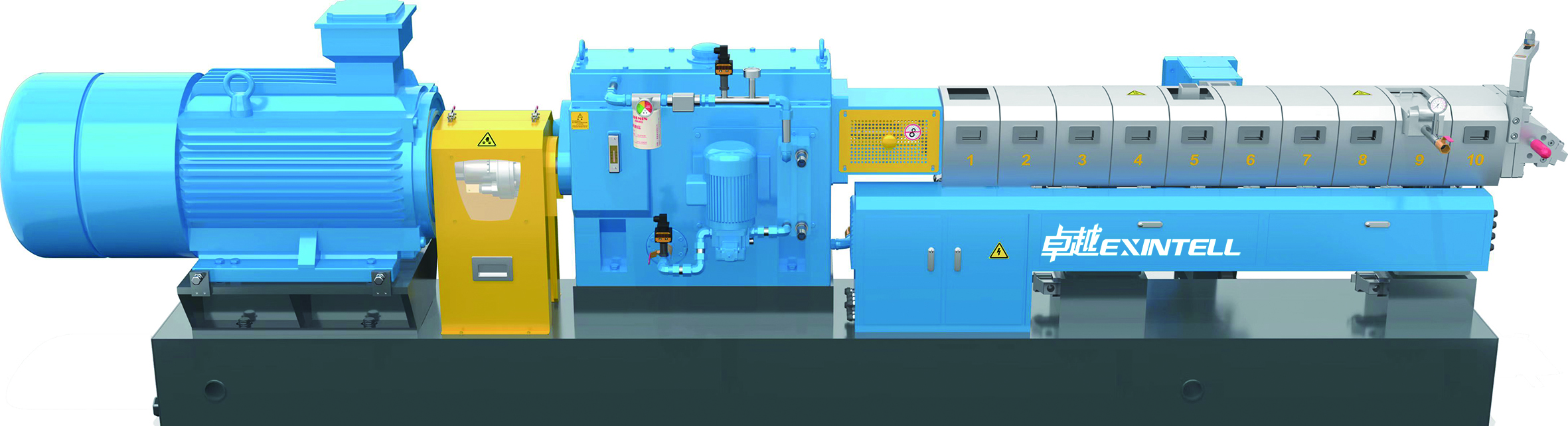
Engineering plastic extruders sit at the heart of many modern manufacturing lines, converting high-value polymers into pellets, sheets, films, pipes, profiles, and technical parts. For sectors such as automotive, electrical, medical, construction, and consumer goods, the right extrusion system determines productivity, part quality, and ultimately profitability.
Because engineering plastics are often heat-sensitive, highly filled, or reinforced with fibers, they demand more from extrusion technology than commodity polymers do. This article explains how engineering plastic extruders work, what types of systems exist, and—most importantly—how decision makers can evaluate equipment using clear, objective selection criteria.
1. What Makes Engineering Plastic Extruders Different?
Engineering plastics such as PA, PBT, PET, PC, PPS, PEEK, and high-impact modified polymers offer superior mechanical strength, thermal resistance, and dimensional stability. However, processing these materials is more complex than extruding simple PE or PP.
An engineering plastic extruder must handle:
● Higher melt temperatures without degrading the polymer
● Tighter process windows, where small deviations affect mechanical properties or appearance
● High filler loadings, including glass fiber, mineral, flame retardants, and impact modifiers
● Sensitive additives such as stabilizers, pigments, and lubricants
● Demanding end-use requirements, including low warpage, precise dimensions, and excellent surface quality
Because of these factors, engineering plastic extruders typically feature more advanced screw designs, stronger drives, precise temperature control, and sophisticated automation compared with general-purpose extruders.
2. Main Types of Engineering Plastic Extruders
When selecting engineering plastic extruders, it is helpful to think in terms of technology categories rather than specific brands. The major categories include the following.
2.1 Single-Screw Extruders
Single-screw extruders are widely used for:
● Pipe and profile extrusion
● Sheet and film production
● Simple blending and melt filtration
Advantages include:
● Robust design and relatively simple operation
● Lower investment cost compared with complex twin-screw systems
● Good performance for stable formulations and continuous production
Limitations:
● Less efficient mixing and dispersive capability for high filler content
● Lower flexibility for frequent recipe changes
● Limited control of residence time distribution compared with twin-screw machines
Single-screw engineering plastic extruders are often chosen when the polymer formulation is well established and the main focus is stable, repeatable product geometry.
2.2 Co-Rotating Twin-Screw Extruders
Co-rotating intermeshing twin-screw extruders are the workhorses for engineering plastic compounding and masterbatch production. They are typically used for:
● Glass fiber reinforced compounds
● Flame-retardant formulations
● Impact-modified engineering plastics
● Color and additive masterbatches
Key strengths:
● Intensive mixing and dispersive capability
● Precise control of shear and residence time via modular screw elements
● Efficient incorporation of fillers and additives via side feeders and liquid injection
● High throughput for demanding formulations
Co-rotating twin-screw engineering plastic extruders are the preferred choice when the focus is on quality of compounding, formulation flexibility, and consistent dispersion.
2.3 Counter-Rotating Twin-Screw Extruders
Counter-rotating twin-screw extruders are often used for:
● Rigid PVC profiles
● Certain engineering plastics where low shear is critical
● Applications where melt pressure and dimensional stability are paramount
Their main benefit is gentle processing with good pressure build-up, although they are less commonly used for complex engineering plastics compared with co-rotating designs.
2.4 Specialized Extrusion Lines
Depending on the application, engineering plastic extruders may integrate:
● Pelletizing systems (strand or underwater pelletizers)
● Film and sheet lines with chill rolls and polishing stacks
● Pipe and profile lines with vacuum calibration and cooling tanks
● Recycling lines for reprocessing engineering plastic scrap and regrind
The final configuration depends on the product form required by the downstream process.
3. Core Selection Criteria for Engineering Plastic Extruders
A structured evaluation process helps purchasing, engineering, and operations teams choose systems that support long-term business objectives. The following selection criteria are commonly used by experienced extruder buyers.
3.1 Application Scope and Product Portfolio
The starting point is always the planned product mix:
● Types of engineering plastics (e.g., PA, PBT, PC, PEEK, blends)
● Filler and additive types, including maximum loading levels
● Target product forms: pellets, sheets, films, pipes, profiles, or special shapes
● Required dimensional tolerances, surface quality, and mechanical properties
An engineering plastic extruder should be chosen with sufficient flexibility to cover both current and anticipated future products. For manufacturers planning to introduce new alloys or heavily filled grades, a modular twin-screw system may provide a safer long-term platform than a narrowly optimized single-screw line.
3.2 Throughput and Capacity Planning
Realistic throughput targets are essential. Decision makers should evaluate:
● Nominal screw diameter and L/D ratio
● Maximum mechanical torque and motor power
● Practical throughput ranges for typical formulations
● Line speed for profiles, pipes, or film
Overspecification can lead to high capital and energy costs, while underspecification creates bottlenecks. A balanced approach often involves choosing an engineering plastic extruder that can operate efficiently at mid-range outputs, with some headroom for future growth.
3.3 Screw and Barrel Design
The screw and barrel are the technical heart of any extruder. For engineering plastic extruders, key design considerations include:
● Feeding section optimized for pellets, regrind, or powder
● Compression zone matched to polymer melting characteristics
● Mixing and kneading elements to ensure uniform dispersion of fillers
● Degassing and venting zones for moisture removal and volatiles
● Wear-resistant materials and coatings in high-load areas
Modular twin-screw systems allow process engineers to fine-tune screw configurations for each formulation. For single-screw lines, screw design should be carefully specified during purchasing, rather than treated as a generic commodity.
3.4 Temperature Control and Thermal Stability
Engineering plastics often have narrow processing windows between melting and degradation. Therefore, engineering plastic extruders must deliver:
● Multi-zone barrel heating and cooling with tight temperature control
● Efficient screw cooling where necessary
● Uniform temperature profiles to avoid local overheating
● Proper die and adapter temperature management
Reliable thermal stability protects polymer properties, improves color consistency, and reduces scrap rates. Advanced temperature control builds trust with quality-conscious customers.
3.5 Degassing, Venting, and Moisture Management
Many engineering plastics are hygroscopic and absorb moisture from the environment. If not properly removed, this moisture can cause:
● Hydrolytic degradation
● Surface defects such as bubbles and voids
● Lower mechanical properties
Effective strategies include:
● Pre-drying systems with precise dew point control
● Vacuum venting ports on the extruder barrel
● Multi-stage degassing for heavily filled or recycled materials
When evaluating engineering plastic extruders, buyers should assess how thoroughly the line design addresses moisture and volatiles management.
3.6 Measurement, Control, and Data Integration
Modern manufacturing requires traceability and process transparency. Advanced control systems on engineering plastic extruders typically include:
● Fully integrated PLC or industrial PC systems
● Recipe management and secure user levels
● Real-time monitoring of torque, melt pressure, melt temperature, and throughput
● Closed-loop control for critical parameters such as dosing and temperature
● Interfaces to MES, ERP, and quality systems
Such capabilities support consistent quality and make it easier to demonstrate compliance with customer requirements and industry standards.
3.7 Material Handling and Feeding Systems
Many issues that appear as “extruder problems” actually stem from upstream feeding or dosing. For engineering plastics, the line should include:
● Accurate gravimetric feeders for base resin, fillers, and additives
● Suitable side feeders for high-volume fillers
● Dust control and safe handling of powders and fibers
● Proper system design to avoid segregation and bridging
A well-engineered feeding system ensures that the extruder receives a stable, repeatable blend, reducing process variability.
3.8 Energy Efficiency and Sustainability
Energy consumption is a significant cost driver in extrusion operations. Buyers increasingly evaluate:
● Specific energy consumption (kWh per kg of product)
● Efficiency of motors, gearboxes, and heating systems
● Heat recovery or insulation measures
● Options for optimized start-up and shutdown sequences
Engineering plastic extruders designed with energy efficiency in mind can provide measurable savings over the equipment lifetime, while supporting corporate sustainability goals.
3.9 Reliability, Maintenance, and Lifetime Cost
Total cost of ownership is more than the initial purchase price. Important aspects include:
● Accessibility for cleaning and maintenance
● Availability and cost of wear parts such as screws, barrels, and liners
● Expected service life under abrasive and corrosive conditions
● Ease of changeover for different products and colors
● Diagnostic functions and remote support options
An engineering plastic extruder that is easier to maintain will typically experience less unplanned downtime and lower lifecycle costs.
3.10 Compliance, Safety, and Standards
Regulatory and safety requirements vary by region and industry but often include:
● Electrical and safety standards for industrial machinery
● Specific requirements for food-contact, medical, or electrical applications
● Guarding, interlocks, and emergency stop systems
● Documentation and validation support
Decision makers should ensure that engineering plastic extruders meet all applicable standards and can be integrated safely into existing plant environments.
4. Demonstrated Expertise: Typical Use Cases
Experienced processors often select engineering plastic extruders based on proven performance in comparable applications. Typical use cases include:
● Automotive components: Glass fiber reinforced PA and PBT compounds require co-rotating twin-screw extruders with strong mixing sections and robust wear protection. Stable mechanical properties and surface quality directly affect downstream injection molding performance.
● Electrical and electronics: Flame-retardant engineering plastics must balance flow, mechanical strength, and strict fire performance. Extruders must precisely control temperature and mixing of flame-retardant packages to avoid degradation and ensure consistent ratings.
● High-temperature polymers: Materials such as PPS or PEEK demand extruders capable of very high processing temperatures, with carefully engineered barrel and screw metallurgy to resist wear and corrosion.
● Reinforced profiles and pipes: For applications where dimensional stability and pressure resistance are critical, single-screw or specialized twin-screw lines are selected to deliver high melt homogeneity and low defect rates.
In each case, the choice of engineering plastic extruder is guided by the balance between process demands, material characteristics, and target performance in the final application.
5. Implementation Roadmap for a New Extrusion Line
A structured implementation plan reduces risk when investing in engineering plastic extruders. Typical steps include:
5.1 Requirements definition
○ Document current and future product range
○ Define throughput, quality targets, and regulatory constraints
5.2 Concept evaluation
○ Compare single-screw and twin-screw concepts
○ Assess different line layouts, feeding systems, and pelletizing or downstream options
5.3 Technical and commercial comparison
○ Review detailed technical proposals, including screw designs and control systems
○ Analyze total cost of ownership over the expected lifetime
5.4 Trials and validation
○ Conduct material trials on pilot or demonstration extruders where possible
○ Confirm achievable throughput, quality, and energy consumption
5.5 Installation and commissioning
○ Plan utilities, layout, and safety measures
○ Provide operator training and establish standard operating procedures
5.6 Ongoing optimization
○ Monitor process data and key performance indicators
○ Fine-tune screw configurations, recipes, and operating conditions
This staged approach aligns technical decisions with strategic business goals and helps ensure that the chosen engineering plastic extruders deliver measurable value.
6. When Is It Time to Upgrade an Engineering Plastic Extruder?
Even well-maintained extrusion lines eventually reach a point where upgrade or replacement is justified. Common indicators include:
● Frequent wear-related shutdowns and high spare parts consumption
● Inability to meet current quality requirements or new product specifications
● Excessive energy consumption compared with modern benchmarks
● Limited automation or lack of data connectivity
● Long changeover times that restrict responsiveness to customer demand
When several of these symptoms appear together, it is often more economical to invest in a new, modern engineering plastic extruder than to continue operating outdated equipment.
7. Conclusion
Engineering plastic extruders are strategic assets for any manufacturer working with high-performance polymers. Selecting the right system requires a clear understanding of material behavior, application requirements, and process technology. By evaluating extruders based on technology category, screw and barrel design, throughput, temperature control, feeding systems, energy efficiency, safety, and lifecycle cost, decision makers can build robust, future-ready extrusion capabilities.
Rather than focusing on individual brands, organizations that compare engineering plastic extruders using structured, transparent criteria are better positioned to choose equipment that supports consistent quality, competitiveness, and sustainable growth.
Frequently Asked Questions (FAQ) About Engineering Plastic Extruders
1. What is the main difference between a general-purpose extruder and an engineering plastic extruder?
A general-purpose extruder is designed for relatively simple polymers and stable formulations, while an engineering plastic extruder is optimized for high-performance materials that require tighter temperature control, greater mixing capability, higher torque, and more sophisticated automation. Engineering plastic extruders often feature modular screw designs, advanced degassing, and robust wear protection to handle reinforced and highly filled materials.
2. When should a processor choose a single-screw extruder instead of a twin-screw extruder?
Single-screw extruders are typically suitable when the formulation is simple, the product design is stable, and the primary goal is forming profiles, pipes, sheets, or films. Twin-screw extruders are generally preferred when intensive mixing, incorporation of high filler levels, or frequent recipe changes are required. The decision is based on process complexity and the degree of formulation flexibility needed.
3. Why is screw design so critical for engineering plastic extruders?
Screw design directly influences melting, mixing, residence time, and pressure development in the extruder. For engineering plastics, inappropriate screw geometry can cause degradation, poor dispersion of fillers, inconsistent properties, and high scrap rates. Carefully designed and, in the case of modular twin-screw systems, tailored screw configurations allow stable processing, high throughput, and consistent quality across a wide range of formulations.
4. How important is pre-drying for engineering plastics?
For hygroscopic engineering plastics, pre-drying is crucial. Moisture can lead to hydrolytic degradation, which reduces molecular weight and mechanical properties, and can create bubbles or voids in the final product. Even when vacuum venting is available on the extruder, pre-drying remains an important step for controlling moisture content and ensuring consistent performance.
5. What key data should be monitored during extrusion of engineering plastics?
Typical key data include screw speed, torque, melt pressure, melt temperature, barrel and die temperatures, feeder rates, and line speed. Recording and analyzing these parameters supports process optimization, quality assurance, and traceability. Advanced control systems on engineering plastic extruders often provide trend analysis, alarms, and integration with higher-level manufacturing systems.
6. How can energy consumption be reduced on an engineering plastic extrusion line?
Energy consumption can be reduced by optimizing barrel insulation, using high-efficiency drives, minimizing unnecessary idling, optimizing start-up and shutdown procedures, and operating within the most efficient throughput range of the extruder. Well-designed screw and barrel configurations also contribute by reducing unnecessary shear and frictional heating, which helps achieve target melt temperatures with less energy.
7. Is it possible to use recycled engineering plastics on the same extruder as virgin material?
Yes, many engineering plastic extruders can process blends of virgin and recycled materials, provided that the recycled feedstock is properly sorted, cleaned, and prepared. However, recycled materials may introduce variability in moisture content, contamination, and rheological properties. For this reason, robust feeding systems, effective degassing, and careful process control are necessary when inc
mai:zhuo.li@zextrusion.com
factory address: No.135 Shiba Road, Taowu Industrial Park, Jiangning District, Nanjing
office address: Room 1408, Block C4, Vanke Duhui World, No. 31, Lvdu Avenue, Jiangning District, Nanjing